By Fabian Barcelo, Founder & Veterinary Scientist
Vet-reviewed
By Fabian Barcelo, Founder & Veterinary Scientist
Vet-reviewed
Carrying extra weight is one of the most common and most overlooked health issues in Australian pets. It creeps up gradually and affects everything from joints to energy to lifespan. At Innovet, we believe weight management is one of the kindest things you can do for your dog or cat, and it is very achievable with the right approach to feeding, treats and pet supplements. Here is how to go about it.
01Why a healthy weight matters so much
Excess weight places strain on the joints, makes movement harder, saps energy and is linked with a range of health problems. Even a small amount of extra weight on a small pet is significant, so keeping your dog or cat lean is one of the most powerful things you can do for their long-term health.
02Is my pet overweight?
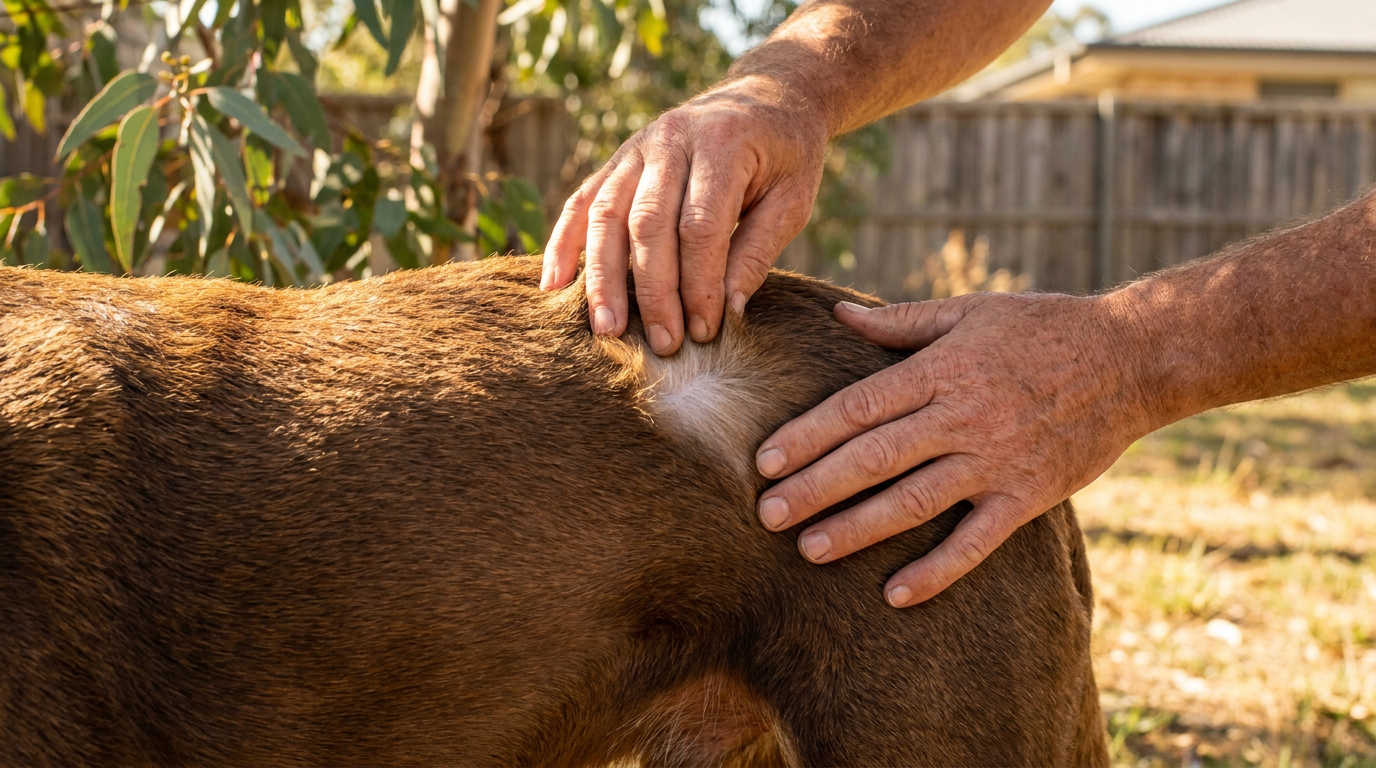
A quick body-condition check tells you a lot, and you can do it at home in under a minute. Because it is easy to misjudge, ask your vet to assess your pet's condition and set a healthy target.
Feel the ribs
You should feel the ribs easily, with only a thin layer of fat over them, not a thick padded covering.
See a waist
Viewed from above, there should be a visible waist tucking in behind the ribs rather than a straight or bulging outline.
Notice a tummy tuck
From the side, the belly should rise up towards the back legs rather than hanging level or low.
Confirm with your vet
Home checks are easy to misjudge, so have your vet score the condition and agree a safe, realistic target.
03The fundamentals of weight management
Successful weight management comes down to measured portions, a sensible reduction in calories, more movement, and a slow, steady pace guided by your vet. Crash diets are not the answer. Gradual change that sticks is.
What works
- Measured, consistent portions
- A sensible reduction in calories
- More daily movement
- A slow, steady pace set with your vet
What backfires
- Crash diets and sudden food cuts
- Free-feeding and eyeballed portions
- Unchecked treats and table scraps
- Expecting fast results
04Rethinking treats
Treats are a common hidden source of calories. Keep to the 10% guideline, use small pieces, and choose lower-fat treats so you can still reward without derailing the plan.
A lean pet is a healthier, often happier pet. Small, consistent changes, not crash diets, are what bring lasting results.The Innovet approach
05How supplements can support
Supplements are not a shortcut to weight loss, but they can support the process. Joint support can help a stiff pet move more comfortably and therefore more often, while protein helps preserve muscle as your pet slims down. Our senior nutrition guide is a useful companion, since older pets often face both weight and mobility challenges.
06Cats need special care
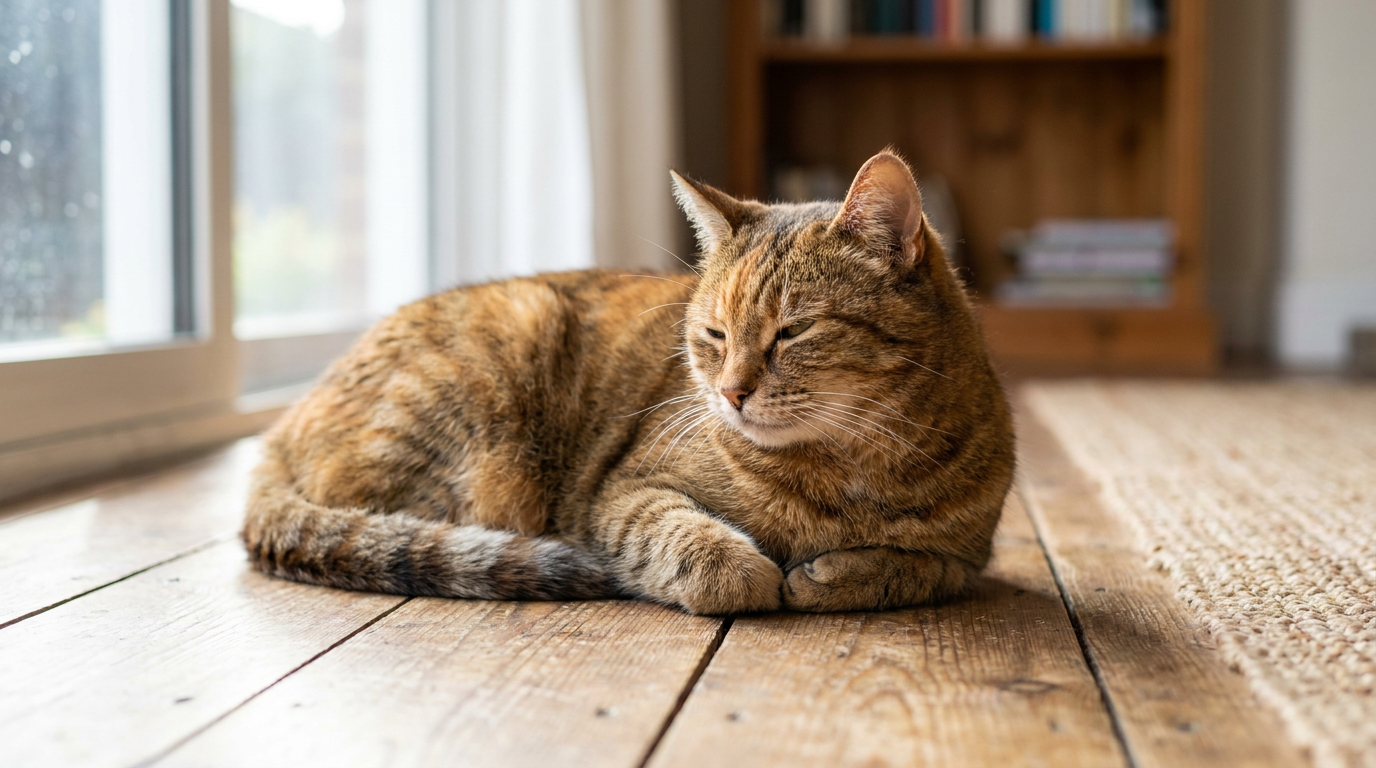
Cats must lose weight slowly and under veterinary guidance, because rapid weight loss in cats can trigger a serious liver condition. Never crash-diet a cat. Always work with your vet on a safe, gradual plan.
07Work with your vet
Your vet can rule out medical causes of weight gain, set a safe target and pace, and tailor the plan to your individual pet. Weight management is very achievable with the right support. With measured feeding, smarter treats, supportive nutrition and your vet's guidance, a healthy weight is well within reach.
Frequently asked questions
How do I help my pet lose weight?
Measured portions, fewer calories, smarter treats and more movement, at a steady pace set with your vet. Small, consistent changes work best.
Are there weight-loss supplements for pets?
Supplements support the process rather than cause weight loss. Joint support and protein can help, but diet and activity do the heavy lifting.
How fast should a pet lose weight?
Slowly and steadily, guided by your vet. This is especially important for cats, who must not lose weight too quickly.
What are the best treats for an overweight dog?
Small, lower-fat treats used within the 10% guideline, so you can still reward without adding excess calories.

Reward without the guilt
Healthy Reward Bites are clean, human-grade and easy to portion for pets watching their weight.
Shop Healthy Reward Bites →Human-grade · Australian-made