By Fabian Barcelo, Founder & Veterinary ScientistVet-reviewed
The grey muzzle, the slightly slower start in the morning, the favourite jump that becomes a thoughtful pause. Ageing in dogs and cats is gradual, and most of the changes are normal. What we feed and supplement during these years will not stop the clock, but it can support the things that matter most to quality of life: comfortable movement, a healthy coat, and steady everyday vitality.
Key takeaways
- Senior status arrives earlier than many owners expect, often around seven for larger dogs, and brings changes to joints, muscle, coat and everyday vitality.
- Mobility is the area owners notice most, but a complete daily base of quality protein, vitamins and skin support matters just as much.
- Senior pet supplements work best matched to current weight and used consistently, with your vet leading anything that looks like more than ageing.
At Innovet, we treat senior care the same way we treat everything else. Clean nutrition, transparent dosing, and honesty about where nutrition helps and where your vet should lead. This guide is for owners who want to support an ageing pet sensibly, without falling for products that promise to turn back time.
01What actually changes as pets age
Senior status arrives earlier than many owners expect. Larger dog breeds are often considered senior from around seven, smaller dogs and cats a little later. The body changes in ways that nutrition can support.
Joints and mobility
Cartilage and joint comfort are common areas where older pets need help, and stiffness can become a cycle of less activity and more stiffness.
Muscle and condition
Older pets can lose muscle and condition more easily, so quality protein matters even more.
Coat and skin
Coats can dull or change with age, and skin support remains worthwhile.
Everyday vitality
Appetite, energy and routine can shift, and a complete nutritional base helps keep the foundations covered.
Noticing these changes early is half the battle. The other half is supporting them with the right nutrition while keeping your vet involved.
02Nutrition that supports senior mobility
Mobility is the area owners ask about most, because it is the one they can see. A senior pet that moves comfortably tends to stay more active, more engaged and in better condition overall.
The actives most associated with joint and mobility support include the building blocks of cartilage and the fats that support a normal, balanced response in the joints. As always, the useful detail is the amount per serve by weight, not just the presence of an ingredient on the label. A mobility supplement that quantifies its actives lets you see whether your pet is getting a meaningful dose.
Mobility support also is not only about supplements. Keeping your senior pet at a healthy weight reduces the load on their joints, gentle and regular movement keeps them supple, and comfortable bedding and easy access around the home all help. Nutrition is one lever among several, and it works best alongside the others.
03Do not forget everyday vitality
It is easy to focus only on joints and miss the bigger picture. A senior pet benefits from a complete daily base: quality protein to help maintain muscle and condition, the vitamins and minerals that support normal function, and skin and coat support so the coat stays healthy. A transparent daily supplement covers this foundation, and targeted products can layer on top for specific needs like mobility.
For senior cats, the same thinking applies with a lighter touch. Cats are smaller and often fussier, so dosing should scale to their weight and the format should be one they will accept. Subtle changes in a senior cat, such as grooming less, moving onto favourite perches more cautiously, or shifts in appetite, are worth noticing and worth a vet conversation.
04Our range for older pets
That is the thinking behind our range for older pets: targeted mobility support, a complete everyday base, and an easy treat format for the days a measured serve is simply harder, all with clean, human-grade nutrition and dosing you can read.


05Making supplements easy for an older pet
Senior pets can be set in their ways, and some lose enthusiasm for anything that disrupts their routine. A few practical tips:
- Match the dose to current weight. Older pets can change shape, so reweigh and adjust rather than assuming.
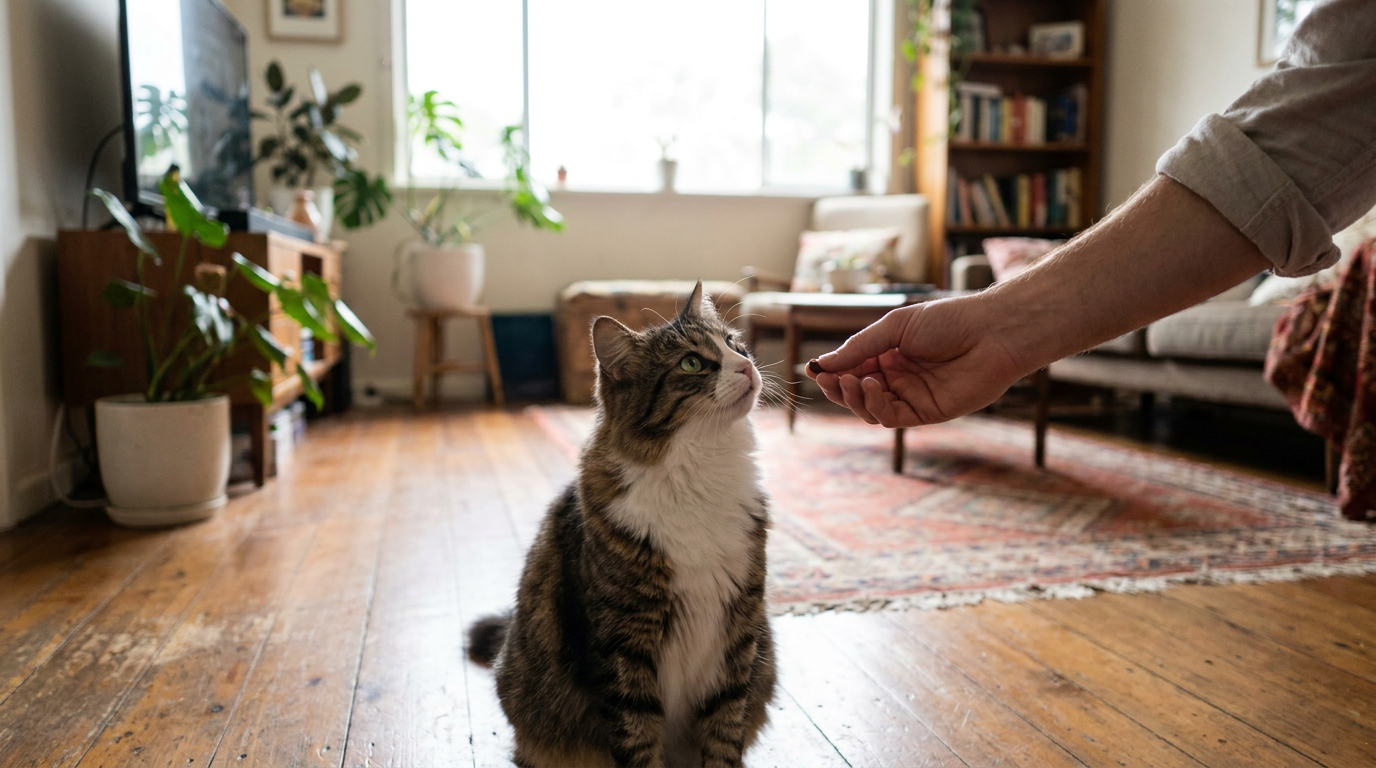
- Use a format that suits them. A powder mixed through a favourite food, or a joint support treat such as FlexiBites+, can be far easier than a measured serve for a fussy senior.
- Keep it consistent. Joint and coat support is gradual and works through steady daily use, not the occasional dose.
- Introduce slowly. Give a new supplement time and watch how your pet responds, especially if they have other health considerations.
06When to involve your vet
This matters more with senior pets than at any other life stage. Many changes that look like simple ageing can have a medical cause, and supplements support a healthy senior pet rather than treating a condition. Please speak with your vet if you notice:
- A sudden or marked change in mobility, or signs of pain such as reluctance to move, limping, or being touchy when handled
- Noticeable weight loss or gain, or a clear drop in appetite
- Increased thirst, changes in toileting, or any unusual behaviour
- A senior pet that seems generally unwell, low, or not themselves
Senior pets benefit from regular vet check-ups precisely because problems caught early are easier to manage. A good supplement fits neatly alongside that care. It does not replace it.
07Ageing well, supported sensibly
The goal of senior nutrition is not to chase youth. It is to help your pet stay comfortable, mobile and engaged for as long as possible. Start with a complete, quality diet. Add transparent support for the areas your pet needs most, with the actives listed per serve and matched to their weight. Keep them at a healthy weight and moving gently. And lean on your vet for anything that looks like more than ageing.
Want to support your senior pet's mobility with nutrition you can trust? Discover Joint Health+, our human-grade joint and mobility supplement with actives listed per serve by weight. Looking for a complete daily base, or an easy treat format? Explore Health Boost+ and FlexiBites+.
Frequently asked questions
At what age is my pet considered senior?
It varies by size and species. Larger dogs are often senior from around seven, with smaller dogs and cats a little later. Watch for the changes rather than the birthday, and ask your vet what to expect for your pet.
Can supplements help my older dog move more comfortably?
A transparent mobility supplement provides nutritional support for joints and comfortable movement. It works best alongside a healthy weight and gentle regular exercise, and is not a treatment for diagnosed joint disease, which needs your vet.
Do senior cats need supplements too?
Senior cats benefit from the same principles, scaled to their smaller weight and a format they will accept. Subtle changes in a senior cat are worth a vet conversation.
My senior pet is fussy. How do I get them to take a supplement?
Match the dose to their current weight and choose an easy format, such as a powder through favourite food or a joint support treat. Introduce it slowly and keep it consistent.
When should I see the vet instead of adjusting nutrition?
Any sudden change in mobility, appetite, thirst, weight or behaviour warrants a vet visit. Senior pets benefit from regular check-ups, and many age-related issues are easier to manage when caught early.
Joint Health+
Human-grade joint and mobility support, with actives listed per serve by weight.
Shop Joint Health+Explore our range of dog and cat supplements, made in Australia with human-grade ingredients.