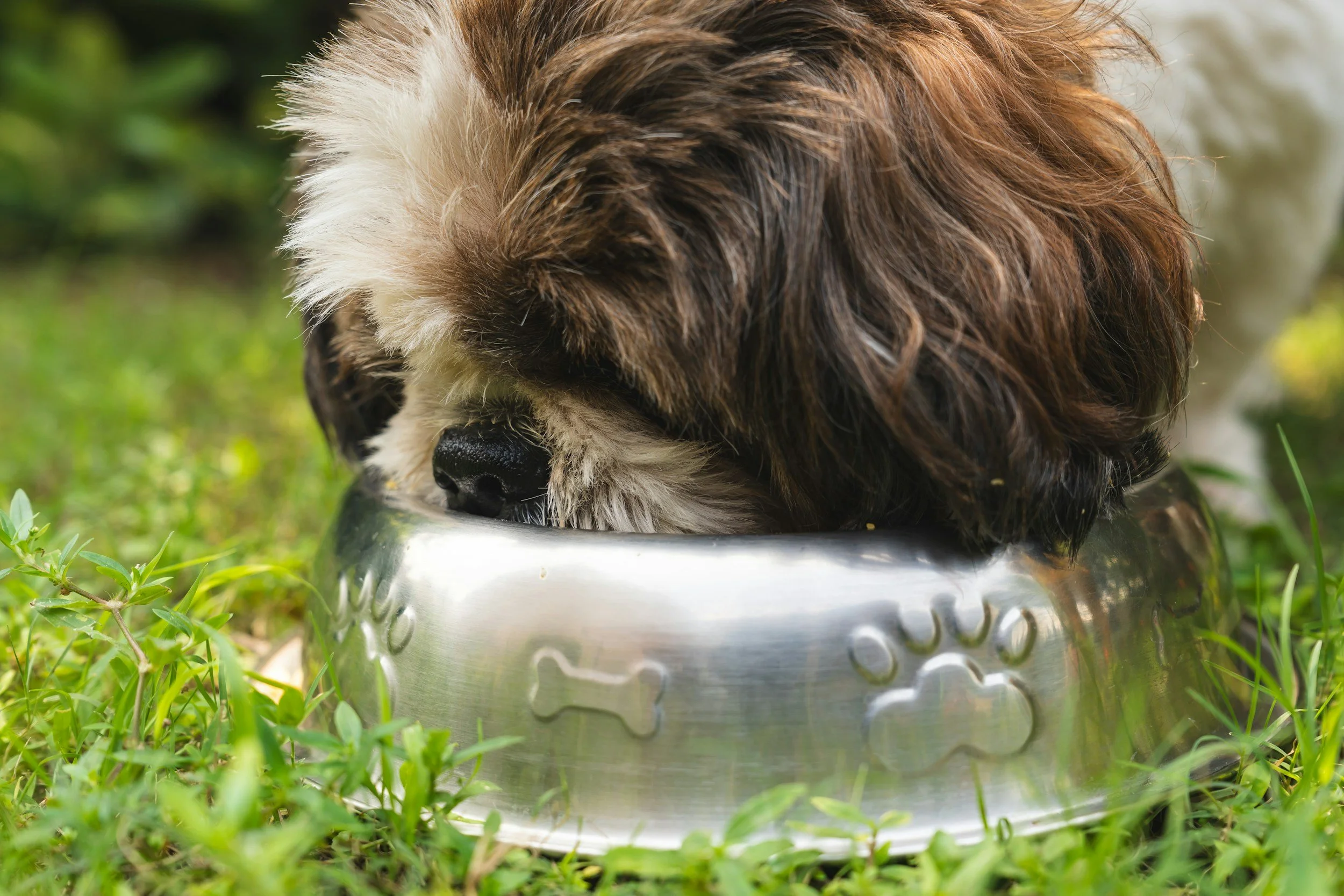
Dog Gut Health Supplements: What Works, How to Dose, and a Simple Daily Plan
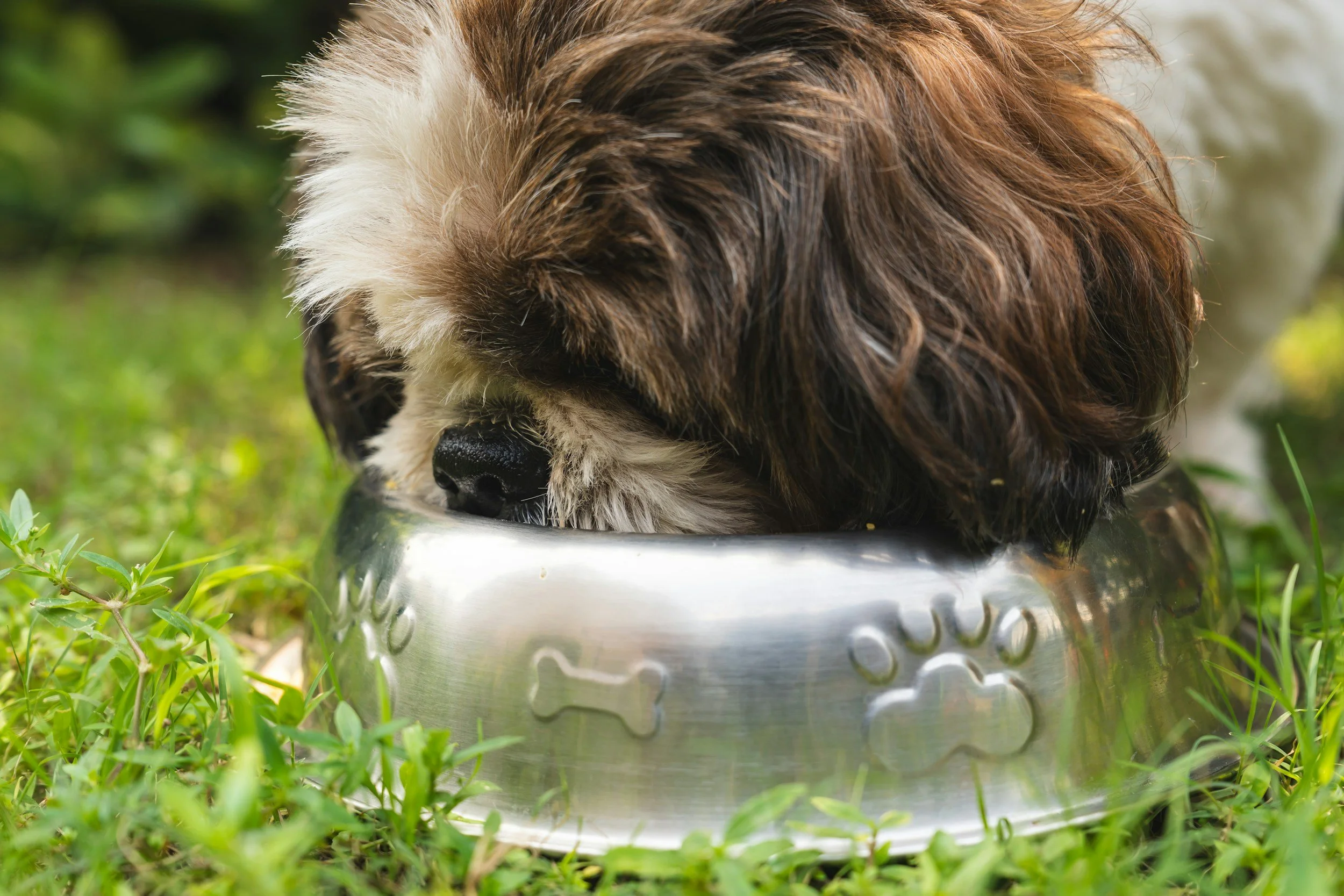
Why gut health matters
The gut powers digestion, immunity, and mood. Most immune cells sit in the gut. A calm, balanced gut helps energy, skin, coat, and behaviour. A daily dog gut health supplement can support this balance.
Signs your dog may need gut support
Soft stools or frequent changes
Gas or tummy discomfort after meals
Fussy appetite or slow eating
Low energy or dull coat
Upsets after antibiotics or stress
If you see a few of these, add gentle daily support and keep meals steady.
Probiotics, prebiotics, and postbiotics: Simple definitions
Probiotics: live friendly microbes that support balance.
Prebiotics: fibres that feed friendly microbes (e.g., GOS, inulin, FOS).
Postbiotics: beneficial compounds made by microbes during fermentation.
You can use prebiotics alone, or pair them with probiotics. Many dogs tolerate prebiotics very well.
Ingredients to look for
Prebiotics (e.g., GOS): feed good bacteria and help stool quality.
Hydrolysed protein: small peptides absorb fast and are gentle on tummies.
Essential vitamins and minerals: support metabolism and recovery.
Omega-3s: help calm gut-linked inflammation.
Electrolytes: useful in recovery plans.
Choose human-grade, Australian-made products with a clean label.
Label reading in 30 seconds
Clear per-serve amounts for key actives
Lactose-free for sensitive dogs
No artificial colours, flavours, or sweeteners
Simple dosing by body weight
Storage guidance that protects quality
Daily routine that works
Dose once daily by weight.
Keep the base diet stable for two weeks.
Offer fresh water at all times.
Limit rich table foods and high-fat treats.
Track a few notes: stool score, appetite, energy.
Timeline: what to expect
Days 2–7: steadier stools and less gas.
Week 2–3: brighter energy, better meal acceptance.
Week 4+: stable routine, consistent results.
Common mistakes (and quick fixes)
Changing too many things at once: adjust one variable at a time.
Guessing the dose: measure by weight; be consistent.
Stopping early: allow 2–4 weeks before judging.
Using regular milk: many dogs lack lactase → pick lactose-free.
When to speak with your vet
See your vet for blood in stools, vomiting, weight loss, lethargy, or ongoing diarrhoea. Nutrition supports care; some cases need diagnostics or targeted diets.
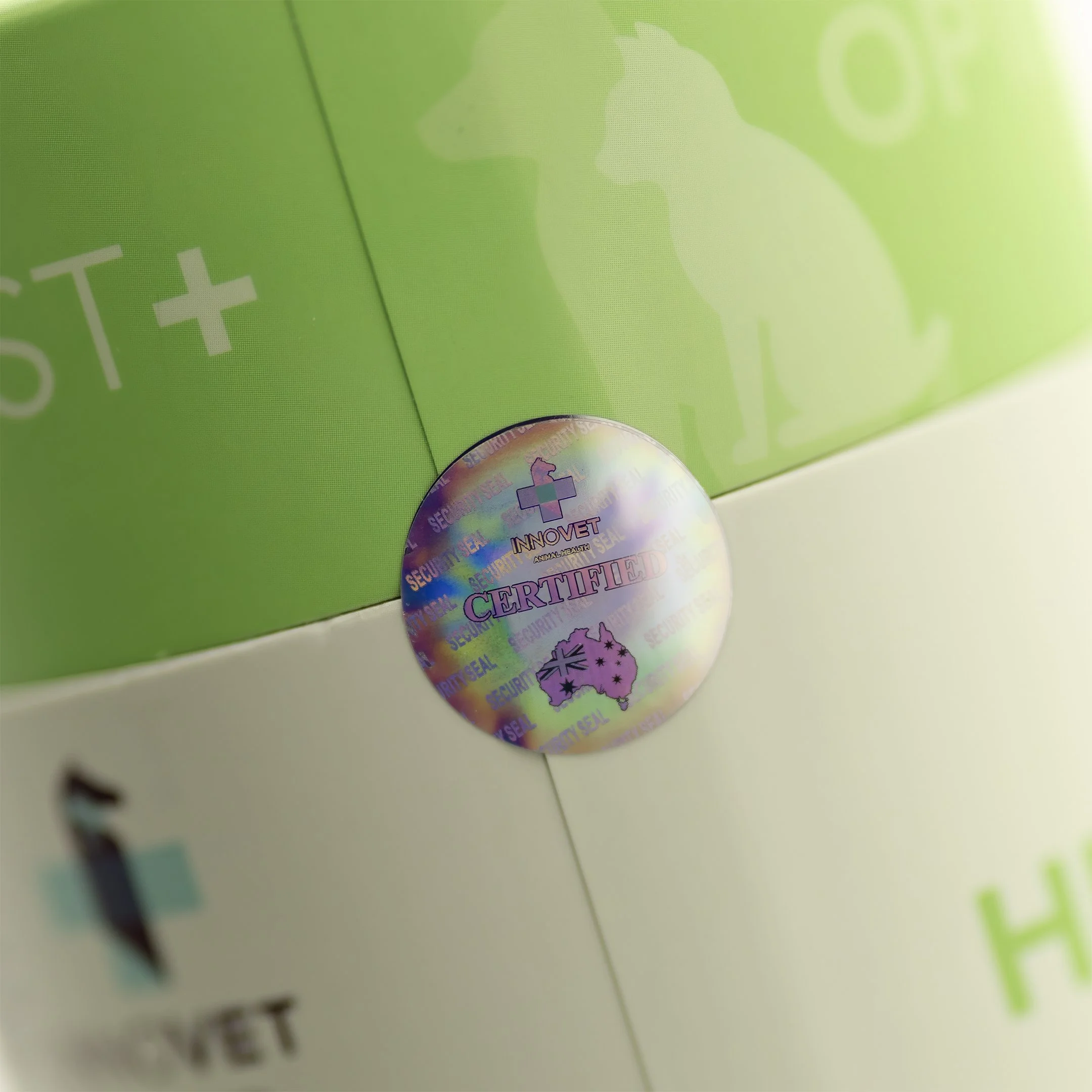
A simple option: Health Boost+ by InnoVet
Health Boost+ supports daily gut comfort with lactose-free nutrition, hydrolysed protein, prebiotic GOS, and essential vitamins and minerals. It is human-grade, Australian-made, and easy to use as a nutritious and yummy drink.
Gentle on sensitive tummies
Helps appetite and steady energy
Fits dogs and cats; dose by weight
For recovery or post-antibiotic support (vet-only): ask your vet about Recovery PRO.
FAQs: Dog gut health supplements
Can I give a gut supplement every day?
Yes, when you follow the label dose. Daily use supports consistency.
Do puppies and seniors benefit?
Yes. Dose by weight. Gentle formulas suit all life stages.
How long until I see change?
Many owners notice steadier stools in 2–7 days and better appetite by 2–3 weeks.
Prebiotic or probiotic, what should I start with?
A prebiotic + gentle protein routine is a simple daily start. You can add probiotics later if needed.
Can I still use training treats?
Yes. Keep treats low-fat and within the 10% calorie rule.
Key takeaways
The gut drives digestion, immunity, and mood.
Look for prebiotics, hydrolysed protein, and clean labels.
Dose daily by weight and assess over 2–4 weeks.
Choose human-grade, Australian-made products for quality.

Support calmer tummies and steadier days with a simple daily routine.
Start with Health Boost+ (lactose-free protein, mineral and energy drink for dogs and cats) today.
Helpful articles