By Fabian Barcelo, Founder & Veterinary Scientist
Vet-reviewed
By Fabian Barcelo, Founder & Veterinary Scientist
Vet-reviewed
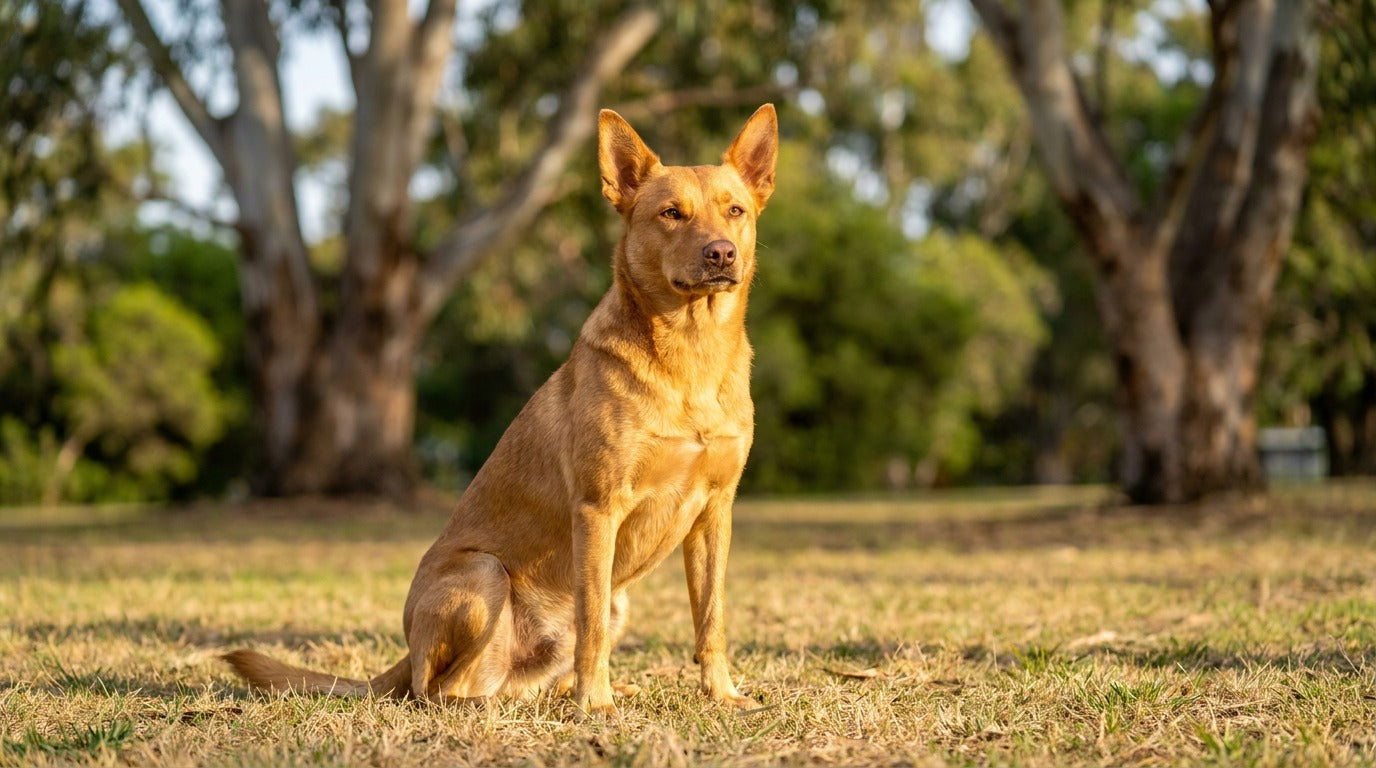
Big dogs bring big joys and, unfortunately, a higher risk of hip and joint trouble. Breeds such as Labradors, German Shepherds, Golden Retrievers and Rottweilers carry more weight across their frames and are more prone to conditions like hip dysplasia and early osteoarthritis. At Innovet we believe large-breed owners benefit from starting joint care early, and well-chosen pet supplements are part of that. Here is how to protect your big dog's mobility for the long haul.
Key takeaways
- Large breeds are more at risk because of rapid growth, greater body weight and a genetic tendency to hip and elbow dysplasia.
- Start joint care before the limp, keep your big dog lean, and favour low-impact exercise with good traction at home.
- Transparent, weight-based dosing matters most for big dogs, where guesswork can leave a large dog underdosed.
01Why large breeds are more at risk
Several factors stack up for big dogs. They grow rapidly as puppies, which places stress on developing joints. They carry more body weight, so every joint works harder over a lifetime. And some large breeds are genetically predisposed to hip and elbow dysplasia, where the joint does not form perfectly and wears more quickly. None of this is a sentence, but it does mean prevention is worth taking seriously.
Rapid growth
Big-breed puppies grow fast, which places stress on developing joints during a vulnerable window.
More body weight
Every joint works harder over a lifetime, so wear accumulates more quickly than in smaller dogs.
Genetic tendency
Some breeds are predisposed to hip and elbow dysplasia, where the joint forms imperfectly and wears faster.
Prevention pays
None of this is a sentence, but it makes early, consistent joint care well worth taking seriously.
02Start early, not after the limp
The most common mistake we see is waiting for a problem before acting. Joint care is most valuable before significant wear sets in, which for large breeds can mean thinking about it from young adulthood.
Start early
- Begin supportive nutrition in young adulthood for at-risk breeds
- Keep your big dog lean from the outset
- Act before significant wear sets in
Wait for the limp
- Lets wear progress before any support begins
- Misses the most valuable window for prevention
- Reacts to stiffness rather than getting ahead of it
For guidance on timing, see our piece on when to start joint support.
03Nutrition for big-dog joints
The supportive actives are the same as for any dog, but consistency matters even more given the load large breeds carry. Omega-3 fatty acids help maintain a normal inflammatory response, while glucosamine and chondroitin are associated with healthy cartilage. A transparent, weight-based supplement such as Joint Health+ makes it easy to dose correctly for a big dog, where guesswork can leave a large dog underdosed.

04Weight and exercise are everything
Keeping your big dog lean is the single most protective thing you can do for their joints. With puppies, avoid overfeeding and let them grow at a steady rate rather than as fast as possible, since rapid growth strains joints. Favour low-impact exercise like walking and swimming over repetitive high-impact activity, especially while young, and provide traction on slippery floors to prevent awkward slips.
A lean body weight is the single most protective thing you can do for a big dog's joints. Every additional kilogram adds load to joints that already work hard.
05When to involve your vet
Your vet can screen for hip and elbow problems, sometimes early, and advise on the best plan for your breed. For dogs with diagnosed joint disease, they may recommend a vet-exclusive formula such as OsteoShield alongside other care. It is also worth understanding what vets look for in a joint supplement so you can choose well between visits.
With early care, a lean body weight, sensible exercise and supportive nutrition, you give your big dog the best chance of staying mobile and comfortable for years.
Frequently asked questions
When should I start joint supplements for a large-breed dog?
Many owners begin supportive nutrition in young adulthood for at-risk breeds, rather than waiting for stiffness. Your vet can advise based on your dog's breed and health.
Does my large-breed puppy need joint support?
Puppies need correct growth and nutrition rather than adult joint supplements by default. Speak with your vet about appropriate large-breed puppy feeding and whether any support is suitable.
Can supplements prevent hip dysplasia?
No. Hip dysplasia has a strong genetic component, and supplements support joint comfort rather than prevent the condition. Healthy weight, sensible exercise and veterinary screening all help.
What is the best joint supplement for large dogs?
Look for transparent, weight-based dosing of evidence-aware actives and a format your dog takes consistently. Correct dosing for body weight is especially important for big dogs.
Built for big-dog joints
Joint Health+ makes correct, weight-based joint support simple for large breeds.
Shop Joint Health+Human-grade · Australian-made