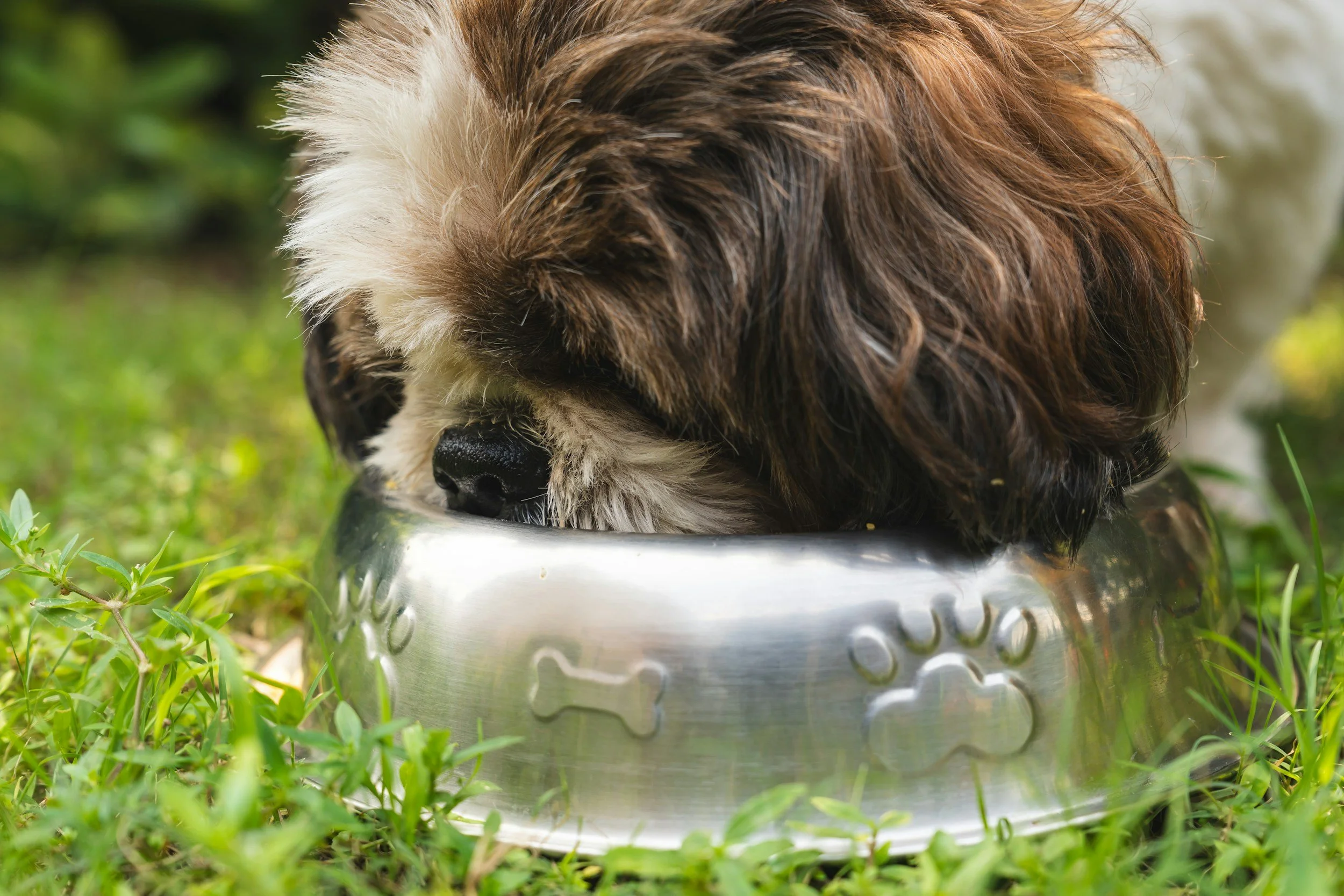
Omega-3 for Dogs: Clear Benefits, Safe Doses, and How to Choose the Right Supplement

Why omega-3 matters
Omega-3 supports skin comfort, coat shine, joint ease, heart health, and cognitive function. EPA and DHA help normalise inflammatory signals. This supports calmer skin, smoother movement, and steady wellbeing.
EPA vs DHA - what each one does
EPA supports inflammatory balance in skin and joints.
DHA supports brain, eyes, and nerve tissue.
A good pet supplement provides both, with a clear amount per serve.
Signs your dog may benefit
Itchy, flaky skin or a dull coat
Excess shedding or recurring hot spots
Stiffness after rest or slower walks
Senior dogs that need extra support
Active dogs that train often
Sources of omega-3 (and how they compare)
Marine oils (fish, green-lipped mussel): direct EPA/DHA; strong evidence for skin and joints.
Plant sources (flax/ALA): convert poorly to EPA/DHA in dogs; less efficient.
Choose products that state EPA/DHA mg per serve, not just “with fish oil”.
Quality checklist (30-second label scan)
EPA/DHA per serve listed clearly.
Origin: Australian-made where possible; trusted marine sources.
Processing: gentle methods that protect delicate oils.
Additives: no unnecessary colours, flavours, or sweeteners.
Dosing: by body weight, with simple daily instructions.
Dosing and timeline
Dose by weight, every day with food.
Early change often appears in 2–3 weeks for skin comfort and coat feel.
Best results for skin and joints usually appear by 4–6 weeks.
Keep a simple weekly note on itch level, coat feel, mobility, and energy.
Safety tips
Introduce gradually to reduce GI upset.
Store away from heat and light.
Check total daily calories if you use oil-based formats.
Speak with your vet if your dog has a bleeding disorder or is on medication.
Everyday habits that boost results
Use a gentle grooming routine and regular parasite control.
Keep a stable base diet while you assess the supplement.
Manage weight to reduce joint load.
Provide regular, low-impact exercise.
Common mistakes (and easy fixes)
Buying “fish oil” without EPA/DHA numbers → choose labels that show mg of EPA and DHA per serve.
Stopping too soon → give 4–6 weeks before judging.
Relying on treats alone → use a complete skin/joint formula for consistent intake.
Plant oils only → dogs convert ALA poorly; prefer marine EPA/DHA.
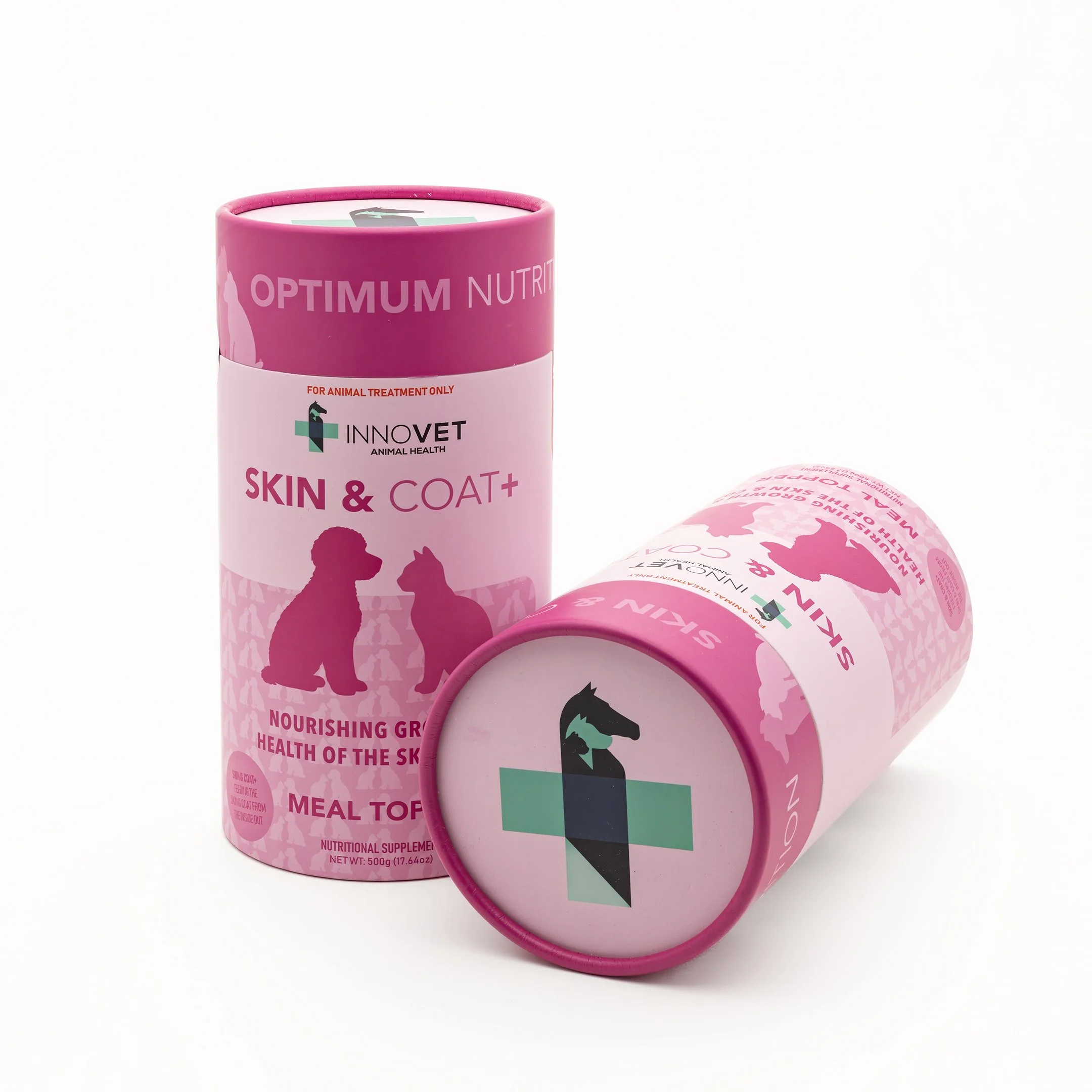
A simple option: Skin & Coat+ by InnoVet
Skin & Coat+ supports calmer skin, a glossy coat, and everyday comfort with a balanced profile that pairs omega-3 (EPA/DHA) with linoleic acid (omega-6), vitamin E, biotin and B-group, plus zinc and copper.
Human-grade inputs, Australian-made
Powder meal topper for easy body-weight dosing
Clean label and simple daily routine
Use daily for 4–6 weeks, then maintain.
FAQs: Omega-3 for Dogs
Will omega-3 help my dog’s itch?
It can. EPA/DHA support inflammatory balance and skin barrier function, which helps reduce itch intensity.
Can puppies and seniors use omega-3?
Yes. Dose by weight and follow the label. Speak with your vet for specific cases.
How long until I see results?
Many owners notice change in 2–3 weeks; coat shine and skin comfort often peak by 4–6 weeks.
Fish oil or green-lipped mussel?
Both provide marine omega-3s. Choose clear EPA/DHA amounts and a product that fits your routine.
Do I still need grooming and parasite control?
Yes. Nutrition works best with a simple grooming plan and year-round parasite prevention.
Key takeaways
EPA and DHA support skin comfort, coat quality, joints, and overall vitality.
Choose products with clear EPA/DHA per serve and clean labels.
Dose daily by body weight and review progress at 4–6 weeks.
Pair with grooming, parasite control, and healthy weight.
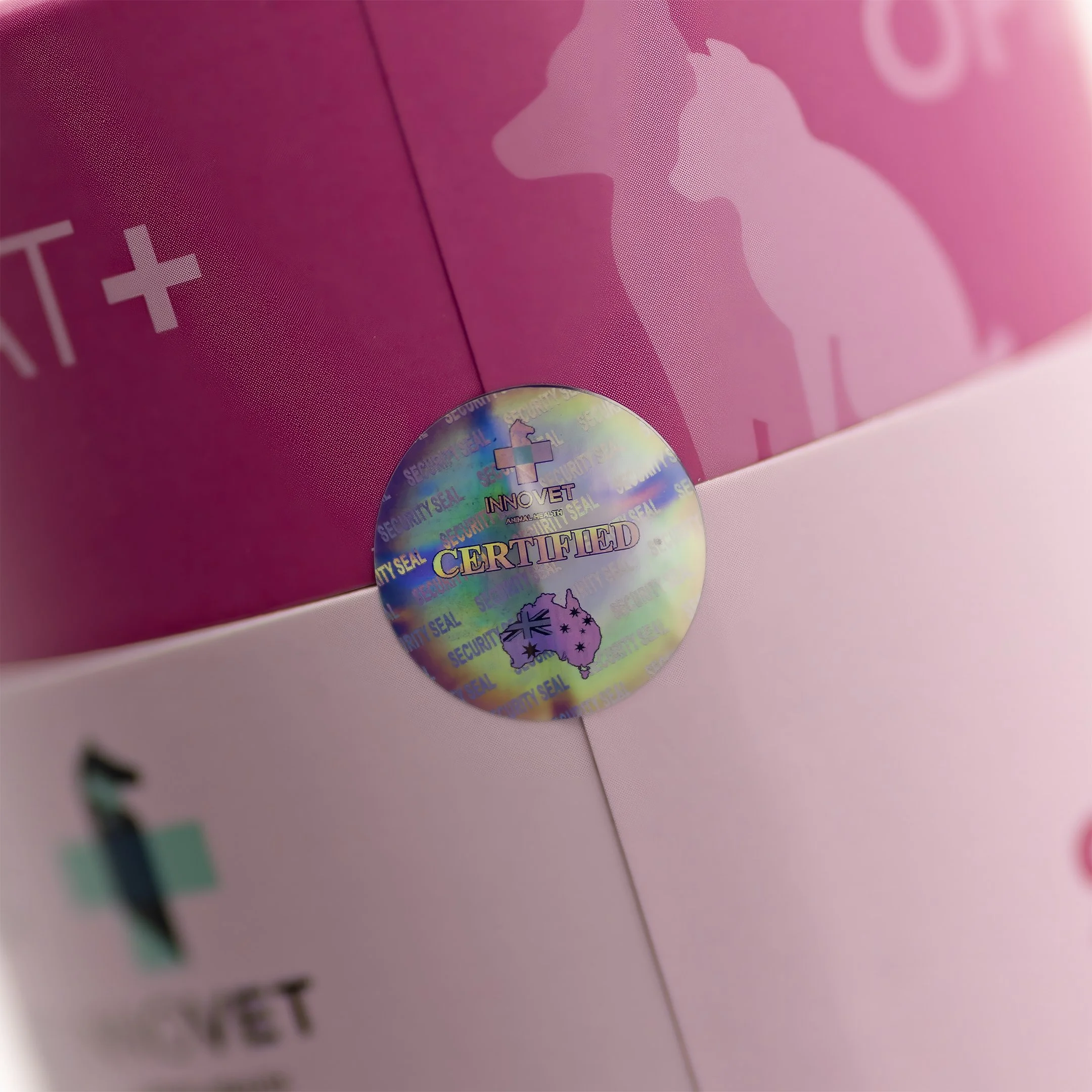
Help your dog feel comfortable in their own skin with a simple daily routine.
Helpful articles